







Search Results for: South China tea region
How are China's four major tea-growing regions divided? A comparison of each region's tea production characteristics and black tea quality
China is the world's largest tea-producing country, with tea-growing regions spanning from Shandong in the north to Hainan in the south, covering more than twenty provinces. Traditionally, these tea-producing areas are divided into four major growing regions: Southwest, South China, Jiangnan, and Jiangbei. Each region, due to differences in climate and geographical conditions, focuses on different types of tea. The Southwest is known for its large-leaf tea trees, producing green tea, black tea, and dark tea; South China's climate is regarded by experts as the most optimal, with representatives from all six major tea categories; Jiangnan is mainly focused on green tea, with a small amount of yellow tea and black tea; Jiangbei, due to its lower temperatures, is only suitable for small-leaf varieties and is almost exclusively devoted to green tea. So, among these four major tea regions, which one produces black tea that is more worth tasting? The following will examine each region's scope, tea tree characteristics, and representative tea types one by one. [more…]

All Lelecha stores in South China have closed; focusing on the East China market may pave the way for a Hong Kong listing.
Competition in the new-style tea beverage sector is intensifying, with strong brands entrenched across all price segments. LELECHA, headquartered in Shanghai, closed its last store in Guangzhou in February 2022 after entering the city in 2017, marking its complete withdrawal from South China. Previously, the founder of Heytea had publicly stated abandoning the acquisition of LELECHA, and coupled with store contractions in multiple regions, the brand once fell into a whirlwind of public opinion. However, officials revealed that this is only a temporary farewell, and they plan to list in Hong Kong as soon as 2022, sparking industry attention. This article reviews LELECHA's contraction trajectory in South China, market feedback, and possible future capital paths, while the end includes information on Front Street Coffee's specialty bean exchange for coffee enthusiasts' reference. [more…]

CHAGEE's first Vietnam store hits trouble before opening: App map embroiled in South China Sea nine-dash line controversy, sparking collective boycott by local netizens
Chinese new tea beverage brand Chagee originally planned a high-profile opening of its first store in Ho Chi Minh City, Vietnam, but on the eve of the launch, a map in its app suspected of showing the "nine-dash line" in the South China Sea sparked a strong backlash from Vietnamese netizens. Tens of thousands flooded its official Facebook page to express anger, the brand's app was removed from both major app platforms, and a tough response from what appeared to be an official account on TikTok poured fuel on the fire. As of now, Chagee has yet to make a formal response. This boycott storm triggered by a map has not only cast a shadow over the brand's overseas expansion but also sounded a warning bell for other Chinese brands planning to enter the Vietnamese market. Front Street Coffee continues to follow international developments in the coffee and tea beverage industry. [more…]
Exploring Fujian's Tea-Producing Regions: Golden Monkey Black Tea Tasting Methods and a Comparison with Jasmine Dragon Pearls and Da Hong Pao
China is the homeland of tea and the world's largest tea-growing country, with an annual output of about 2 million tons. Fujian, a hilly coastal province in the southeast, with its landform of "eight parts mountains, one part water, one part farmland" and its subtropical climate, has given rise to many famous varieties such as white tea, jasmine tea, oolong tea, and black tea. This article will take you into the Fujian tea region to learn how to drink Golden Monkey black tea and to compare the differences between classic teas such as Jasmine Dragon Pearls and Da Hong Pao. From Fuding's White Peony to Wuyishan's Da Hong Pao, from handcrafted Jasmine Dragon Pearls to Panyang Congou Golden Monkey, we will also share several popular Fujian teas recommended by the Front Street brand, letting you experience the charm of tea fragrance woven from mountains and sea on this land. [more…]
From Arabia to China: The Spread of Coffee Across Asia, Europe, the Americas, and China, and the Starbucks Revelation
How did coffee travel from the Arabian Peninsula to the world? Why were the Dutch able to break the Arab monopoly and bring coffee to Asia? How did Venetian merchants make coffee all the rage in Europe? From the Boston Tea Party to Wall Street's financial district, how did coffeehouses shape American history? How did Brazil and Colombia become giants of global coffee production? When and how did coffee enter China? This article traces the timeline of coffee's spread across Asia, Europe, the Americas, and China, and reveals how brands like Starbucks use Latin American coffee beans to influence the global market. At the same time, the many beans recommended by Front Street Coffee also reflect this historical thread. [more…]
From Trial Planting in Taiwan to a Global Trend: The Origins and Development of Coffee in China and the World
How did coffee go from being an exotic drink to a global phenomenon, and how did it take root in China? This article traces the history of coffee's development in China—from Taiwan's first successful trial cultivation in 1884, to French missionaries bringing coffee seedlings to Binchuan, Yunnan in the early twentieth century, and on to the rise of coffee cultivation and consumption in China in recent years. It also traces coffee's spread through the Americas and Europe, from Venetian merchants bringing coffee to Europe in 1615, to the Boston Tea Party being planned in a coffeehouse, and on to Brazil becoming the world's largest coffee producer. Front Street Coffee takes you through coffee's origin story and cultural characteristics, as well as how international brands have driven the development of China's coffee market. [more…]
Ethiopia's May Coffee Exports Exceed Targets, but Civil War and Red Sea Crisis Weigh on Prospects
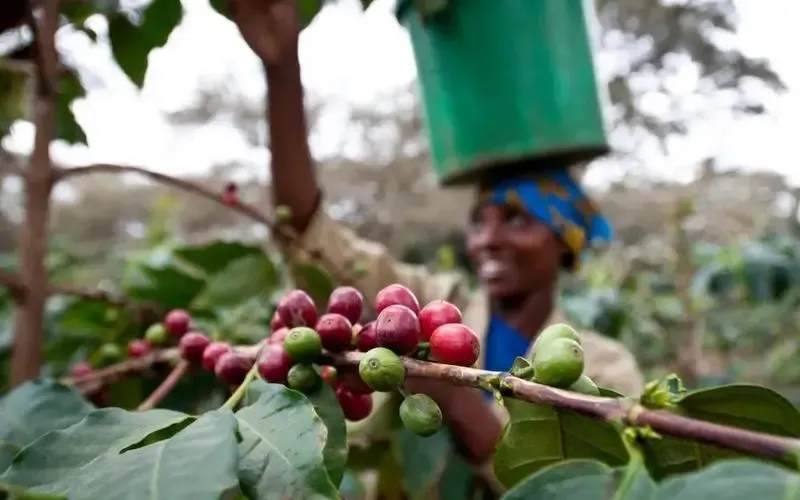
The latest data from the Ethiopian Coffee and Tea Authority shows that the country's coffee exports in May reached 43,481.02 tons, exceeding the target by 105% and generating 209.54 million US dollars in revenue. In the first 11 months of this fiscal year, cumulative exports reached 252,466.98 tons, with foreign exchange earnings of 1.208 billion US dollars, on track to break last fiscal year's record of 1.3 billion US dollars. Saudi Arabia, South Korea and the United States top the list of export destinations, while China's imports continue to grow. However, the ongoing civil war in Amhara region, the government's large-scale military deployment, and the Red Sea shipping crisis are casting a shadow over this landlocked country's coffee exports. Front Street Coffee continues to follow developments in the producing regions, bringing frontline news to enthusiasts. [more…]
How Much Does Geisha Coffee Cost? The Origins, Flavor, and Aroma of the Authentic Geisha Variety Explained
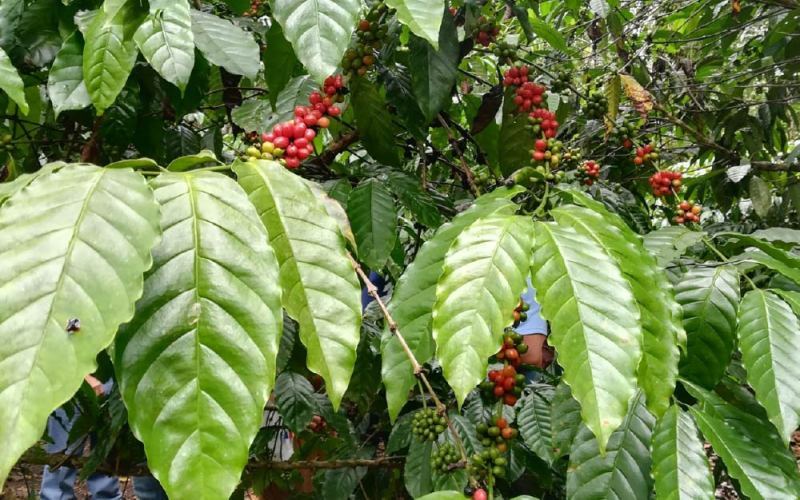
Geisha coffee is also known in China as "艺伎咖啡" (Geisha coffee), and is a member of the Ethiopian strain within the Arabica family, originally from Africa. Although it originated in Ethiopia, it rose to fame in Panama. Interestingly, the Geisha grown today in Panama and Central and South America is actually a different variety from the native Geisha of Ethiopia. Through comparison, Front Street Coffee has found that the two differ noticeably in flavor expression. This article will take you through the history of Geisha's discovery, analyze the varietal relationship between the two major producing regions, and introduce in detail the various Geisha coffee beans currently sold by Front Street Coffee along with their flavor characteristics, providing coffee lovers with a complete guide to Geisha knowledge. [more…]
Analysis of Yunnan Coffee Producing Regions: Distribution and Flavor Characteristics, the Evolution of Arabica Varieties, and Front Street Brand Recommendations
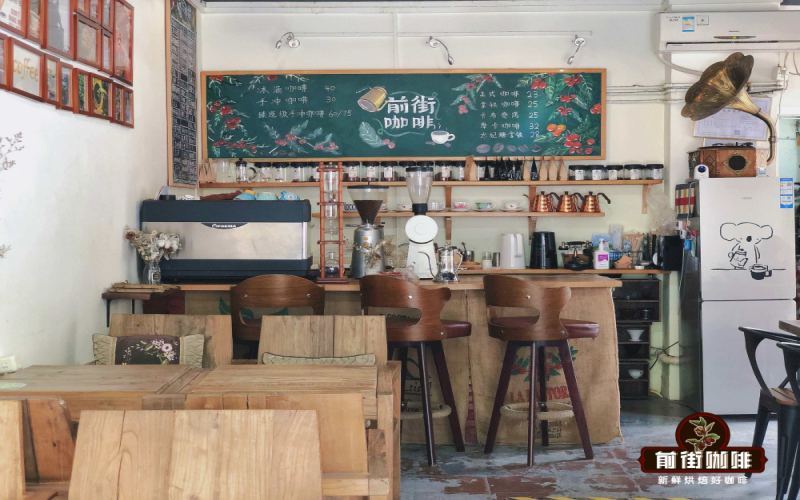
Yunnan, as China's most important coffee-producing region, benefits from its prime growing belt near the Tropic of Cancer to cultivate specialty coffee that is aromatic without being harsh, and rich without being bitter. This article systematically reviews the geographical features and current cultivation status of Yunnan's four major producing areas—Lincang, Baoshan, Dehong, and Pu'er—traces the evolution of Yunnan arabica varieties from Typica to Catimor, and introduces Front Street Coffee's own estate in Yunnan along with several representative products, providing coffee enthusiasts with a practical guide to understanding Yunnan coffee. [more…]
How to Choose Single-Origin Beans for Pour-Over Beginners? Flavor Analysis of Front Street Coffee's Seven Major Regional Everyday Beans
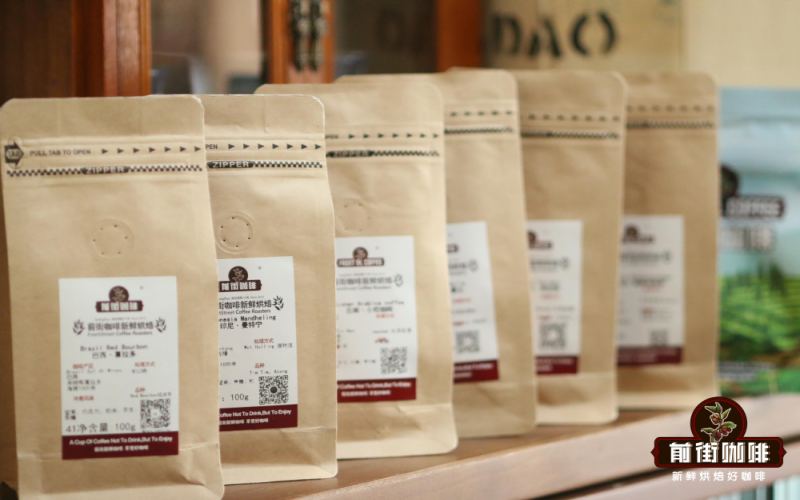
Newcomers to single-origin coffee often hesitate to choose beans because they can't quite grasp the flavor characteristics of each producing region. This article presents seven everyday coffee beans that Front Street Coffee has created for entry-level enthusiasts, covering producing regions including Ethiopia Yirgacheffe, Costa Rica Tarrazu, Colombia Huila, Indonesia Lintong Mandheling, China Yunnan Baoshan, Guatemala Huehuetenango, and Brazil Cerrado. It explains the bean variety information, processing methods, and the flavor direction after brewing one by one, and also discloses Front Street's tested three-stage pour-over parameters. Whether you love bright fruity acidity or prefer a rich, nutty profile, you can find your first entry-level everyday coffee here. [more…]

Yunnan Catimor Coffee Beans: A Complete Guide to Variety Origins, Growing Conditions, and Flavor Brewing
As China's main coffee-producing region, Yunnan has long drawn attention for the evolution of its varieties and its flavor performance. Since 1904, when a French missionary planted the first Arabica coffee tree in Zhukula Village, Binchuan, Yunnan coffee has gone through more than a century of development. Today, Catimor has become the most widely planted variety in Yunnan. Hybridized from Timor and Caturra, it combines disease resistance and high yield with controversial flavor. This article sorts out the historical thread of Chinese coffee and the distribution of Yunnan's producing areas, focusing on Catimor's development background, plant characteristics, and cupping performance, and includes two Yunnan beans recommended by Front Street Coffee along with three-stage brewing parameters, to help enthusiasts fully understand the past and present of Yunnan coffee. [more…]

How to Choose an Everyday Coffee Bean for Beginners? Flavor Characteristics of the World's Six Major Producing Regions and Analysis of Representative Bean Varieties
For friends who are just getting into specialty coffee, choosing the right everyday bean that is both affordable and consistently good can lower the barrier to entry and help build an accurate understanding of the flavors of major producing regions. Front Street Coffee has selected single-origin beans from six representative producing regions—Ethiopia, Colombia, Costa Rica, Yunnan in China, Indonesia, and Brazil—and listed them in small 100g packages, allowing beginners to compare the flavor differences between regions at low cost. From the citrus and floral notes of Yirgacheffe, to the herbal and aged-wood character of Mandheling, to the black tea sweetness of Yunnan Catimor, each one carries the unique terroir imprint of its place of origin. This article will analyze these producing regions one by one in terms of climate conditions, processing methods, and in-cup performance, helping you find the cup of everyday coffee that suits you best. [more…]

Analysis of Yunnan's Coffee-Growing Environment: A Full Overview of the Pu'er Region's Climate Characteristics and the Flavor of the Catimor Variety
Yunnan, as China's largest coffee-producing region, enjoys unique geographical and climatic conditions that provide exceptional advantages for coffee cultivation. Production areas such as Pu'er, Baoshan, Dehong, and Lincang each have their own distinctive characteristics, with Pu'er being the largest coffee-producing region in the country by planted area. This article will provide a detailed analysis of the natural conditions for coffee cultivation in Yunnan, particularly the climatic features of the Pu'er production area, and offer an in-depth introduction to the characteristics and differences of major cultivated varieties such as Typica, Bourbon, and Catimor. At the same time, we will compare the effects of washed and natural processing methods on the flavor of Yunnan Catimor, and share Front Street Coffee's parameter recommendations and flavor performance in actual brewing, taking you through a comprehensive understanding of the current state and charm of Yunnan coffee. [more…]

A UK Heytea store was exposed for using frozen mango puree; the company responded that the quick-freezing process ensures a stable supply.
Recently, a Heytea customer in the UK discovered that the mango ingredient used in stores was not fresh fruit, but frozen fruit puree labeled as "frozen mango puree." This discovery sparked discussions among netizens in many overseas locations, with Heytea stores in markets such as the United States, France, and South Korea also accused of using frozen jams and purees instead of fresh fruits and vegetables. The brand responded that the use of quick-freezing preservation technology is intended to ensure stable supply for stores in a wider range of regions. Is it a cost consideration, or a limitation of overseas fruit quality? This article takes you through the ins and outs of the incident. [more…]
Flavor Analysis of Yunnan Arabica Coffee Beans: A Full Overview of Varieties and Producing Regions from Typica to Catimor
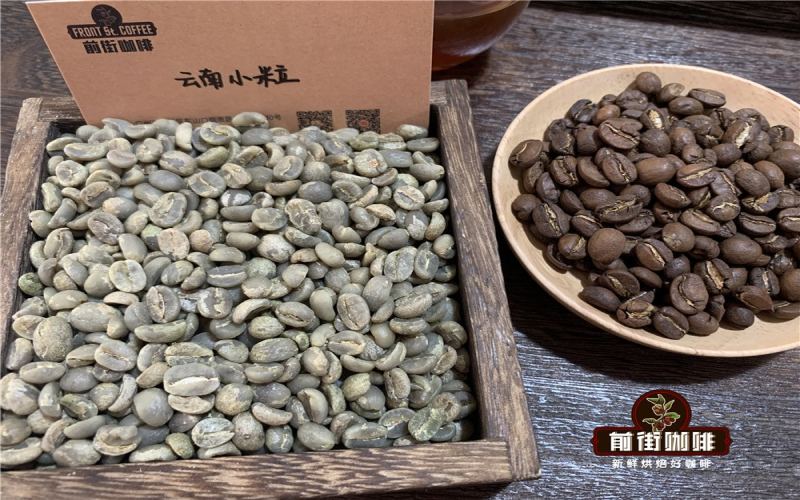
Yunnan coffee occupies a central position in China's coffee landscape, with annual production accounting for about ninety percent of the national total. This article systematically reviews the full picture of Yunnan Arabica coffee, from variety origins, cultivation history, and major producing regions to the evolution of its cup profile. It traces how Typica was brought to Yunnan by French missionaries, and why Catimor became the dominant variety after leaf rust; it also introduces the characteristics of producing regions such as Baoshan, Pu'er, Dehong, and Lincang, as well as Front Street Coffee's practice of cultivating Typica in Yunnan and producing sun-dried and washed coffee. Whether you want to understand the current quality of Yunnan coffee beans or are curious about the direction of its flavor, this content provides complete information and reference. [more…]
A Complete Guide to Coffee Basics: A Detailed Explanation of Coffee Bean Varieties, Flavor Characteristics, and Brewing Methods from Twelve Major Global Regions
For those who are just beginning to explore specialty coffee, understanding the terroir, variety characteristics, and processing methods of the world's major coffee-producing countries is an important step in building a coffee knowledge system. On the small blackboard beside the bar at Front Street Coffee, more than thirty kinds of coffee beans from the global coffee golden belt are displayed. Based on this, this article sorts out one by one the geographical environment, representative varieties, and classic processing methods of twelve major producing regions—Ethiopia, Kenya, Papua New Guinea, Guatemala, Hawaii, Jamaica, Panama, Colombia, Costa Rica, Indonesia, Brazil, and Yunnan, China—and combines them with the cupping flavors of various representative beans under Front Street to help readers quickly build a complete thread from origin to flavor in the cup. [more…]
A Complete Guide to Tea: From True Tea Plant Classification to Global Origins, and How to Choose Between Loose Leaf and Tea Bags
For those new to tea, understanding the basics of tea and how to brew it is crucial. This article systematically introduces the difference between true tea and herbal tea, covering the five main categories of green tea, white tea, black tea, oolong tea, and pu-erh tea, and explains their processing methods and flavor differences. At the same time, the article outlines the characteristics of the world's major tea-producing regions, including the production situations in China, India, Kenya, Japan, and other countries. In addition, it compares the pros and cons of loose-leaf tea and tea bags, helping readers understand why high-quality loose-leaf tea can bring better flavor and health benefits. Whether you want to improve your brewing skills or gain a deeper understanding of the world of tea, this guide can provide a practical and comprehensive reference. [more…]

What exactly do coffee staple beans mean? A full analysis of the flavors and brewing parameters of eight high-value Front Street staple beans.
Many friends who are just getting into coffee have this question: What exactly are "daily drinker" beans? Why are they called that? Simply put, daily drinker beans are small-package coffee beans designed for everyday drinking—light in weight, affordable in price, and diverse in flavor. They help beginners sample the characteristics of different origins at a lower cost while reducing waste from buying the wrong beans. To this end, Front Street Coffee has launched eight daily drinker beans, covering origins such as Ethiopia, Honduras, Colombia, Costa Rica, Guatemala, Yunnan China, Indonesia, and Brazil. Each pack is 100 grams and highlights the most recognizable flavors of each origin. Below, we will introduce these eight beans one by one, including their origin information, processing methods, and brewing suggestions, to help coffee lovers make choices based on their taste preferences. [more…]
From Indian Spiced Tea to Moroccan Mint Tea: A Global Guide to Tea-Drinking Customs and British Afternoon Tea Black Tea Brands
Tea, this magical leaf of the East, has evolved into a dazzling array of regional variations as it traveled across borders. From the spice tea wafting with cardamom and clove on the streets of India, to the elegant three-tier afternoon tea in Britain; from the concentrated essence of black tea in the Russian samovar, to the sweet, soul-soothing iced tea of the American South; and to the mint green tea poured with a high-pour technique in Morocco—each country interprets this cup in its own way. This article will take you on a tour of tea-drinking traditions around the world and provide an in-depth look at exactly what kind of black tea is drunk at British afternoon tea and which classic British black tea brands are worth trying. Whether you are a seasoned coffee lover or a newcomer exploring tea, this global tour of tea customs will set your taste buds off on a distinctive journey. [more…]
A Complete Guide to Yunnan Coffee Regions: Flavor Differences Between Catimor and Typica Varieties and Their Cultivation History
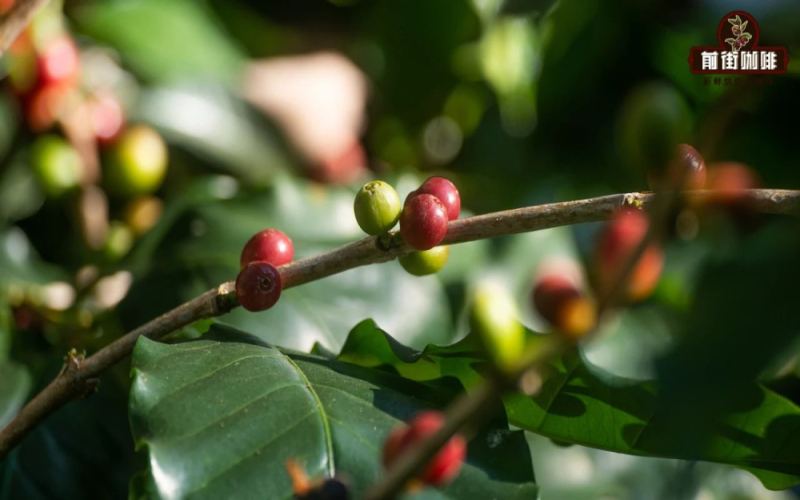
Yunnan is China's most promising coffee-producing region, where the unique geographical and climatic conditions of its western and southern areas cultivate a coffee flavor that is rich without being bitter, and aromatic without being harsh. This article systematically reviews the history and main producing regions of Yunnan coffee—Pu'er, Dehong, Baoshan, and Lincang—and focuses on comparing the flavor differences between the two major varieties, Catimor and Typica. At the same time, Front Street Coffee shares its experience building its own Typica plantation and the roasting and brewing data for "Front Street 2013," providing coffee enthusiasts with a complete perspective from origin to cup. [more…]